The Unstoppable Force
Today marks the 93rd birthday of a performer whose career has not only spanned more than eight decades but has also transformed the very landscape of American entertainment: Rita Moreno.
Bold, brilliant, and unyielding, Moreno broke barriers in an era that rarely made room for Latinx performers — and then kept going, mastering music, dance, drama, and comedy with equal brilliance and passion.
She is more than a legendary actress; she is a cultural milestone, a symbol of persistence and triumph in the face of obstacles that once seemed insurmountable.

Born Rosa Dolores Alverío on December 11, 1931, in Humacao, Puerto Rico, Moreno moved with her mother to New York at an early age. Life was not easy for an immigrant family, but the bustling, diverse city provided opportunities that would nurture her talents.
She began dubbing American films into Spanish as a child performer, lending her young voice to Hollywood productions long before she ever appeared on screen. Her natural gifts for performance, movement, and expression caught the attention of industry figures, and soon she was signed by MGM Studios.
But like many Latina actresses of her generation, she was quickly typecast into roles that relied on stereotypes of “exotic” women. In countless films, she was asked to embody a caricature rather than a character, forced to flatten her brilliance into narrow portrayals.

Yet even in these early, limiting roles, Moreno radiated a magnetism that audiences could not ignore.
Her breakthrough came in 1961 with West Side Story, the groundbreaking film adaptation of the Broadway musical. As Anita, she gave a performance that was fiery, heartbreaking, and unforgettable, delivering both explosive dance numbers and searing emotional depth.
She stole every scene she was in, balancing charisma with a raw vulnerability that transcended the material. For that role, she won the Academy Award for Best Supporting Actress, becoming the first Latina to ever win an Oscar.
That historic victory did more than cement her own stardom — it carved open a space for countless others to dream bigger. Moreno’s Oscar was proof that excellence could not be constrained by prejudice, that Latinx talent belonged at the very top of Hollywood.

And West Side Story was only the beginning. Over the decades that followed, Rita Moreno accomplished what only 17 people in history have done: she became an EGOT — winner of an Emmy, a Grammy, an Oscar, and a Tony.
And even among that exclusive group, she stands out. Her Emmy Awards celebrated her sharp comedic timing and dramatic range on television; her Grammy recognized her contributions to children’s entertainment on The Electric Company; her Tony honored her magnetic presence on stage in The Ritz.
Her accolades did not stop there. She received the Presidential Medal of Freedom, the Kennedy Center Honors, the Peabody Career Achievement Award, and numerous lifetime achievement recognitions.
Each honor acknowledged not just her talent, but her role as a trailblazer who reshaped the very industry that once tried to limit her.
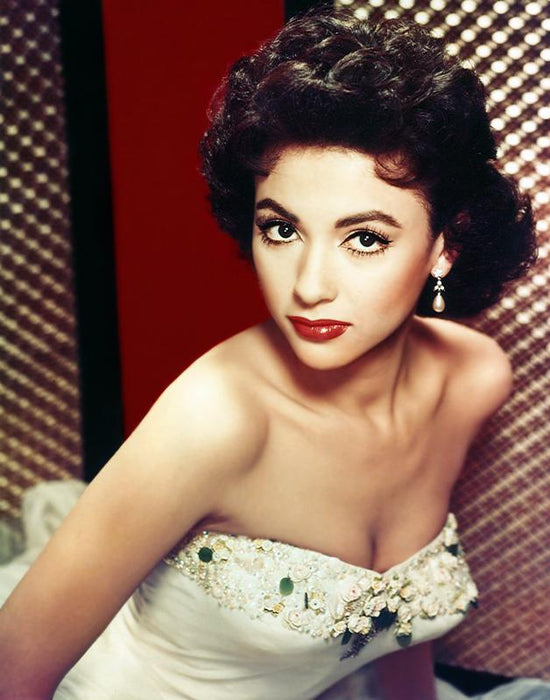
Moreno’s career has never been confined to a single genre or platform. On Broadway, she stunned with her theatrical presence. On television, she became a household name, adored by children and adults alike, showing her versatility on educational shows, comedies, and dramas.
On film, she navigated musicals, thrillers, comedies, and everything in between. In the 1990s, she brought a dramatic gravitas to HBO’s Oz, proving to yet another generation that her talents were boundless