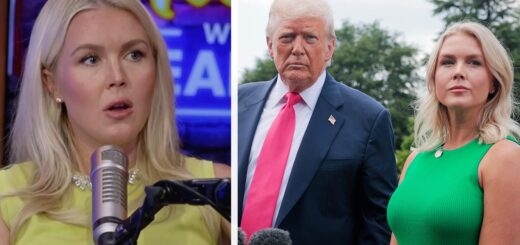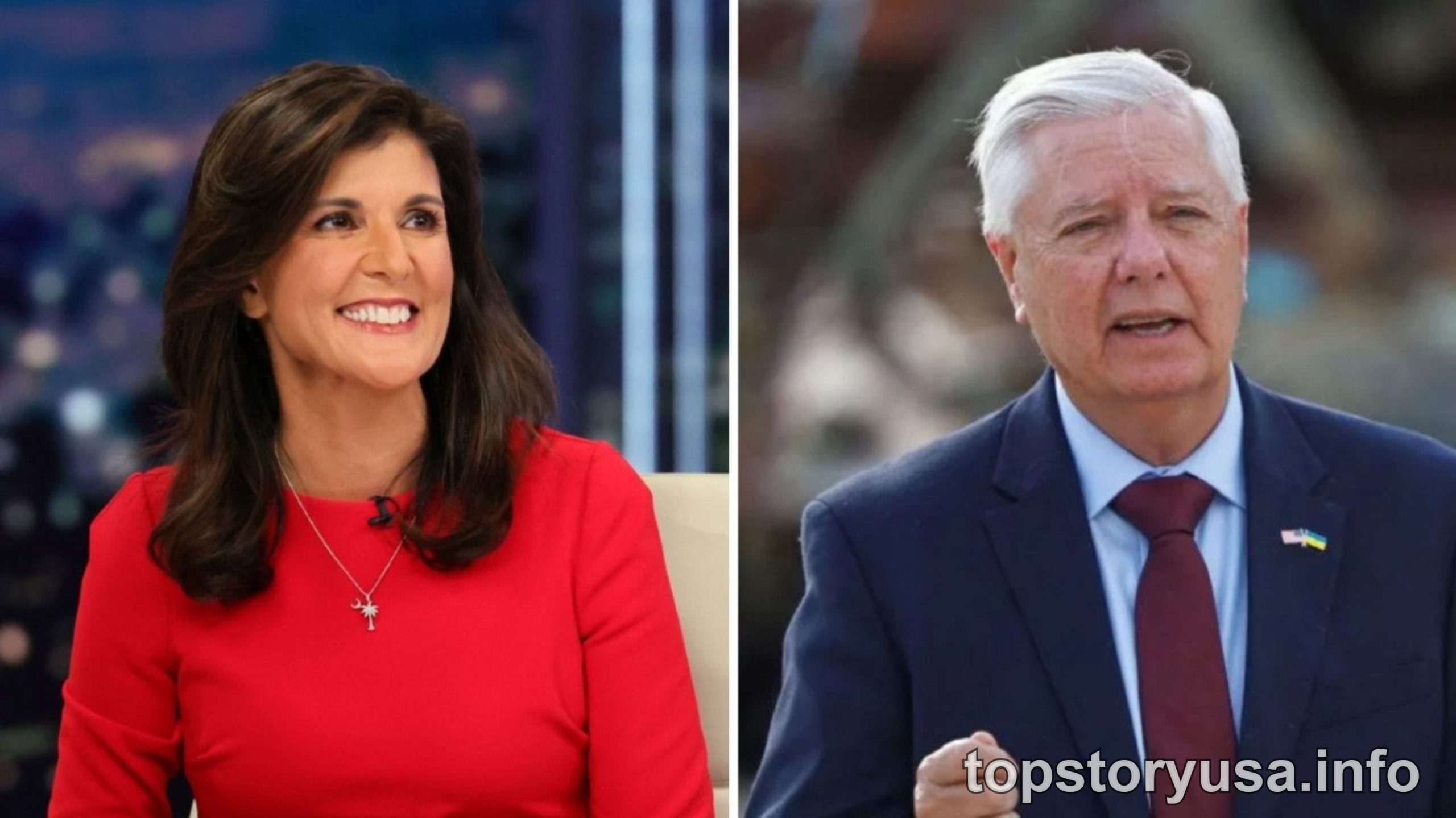
Former South Carolina Gov. Nikki Haley will not seek the U.S. Senate seat vacated by the death of Sen. Lindsey Graham, her spokesperson told Bloomberg on Sunday.
Graham, a Republican who represented South Carolina since 2003, died Sunday at age 71 following a brief illness. His death has prompted speculation about potential successors, with Haley’s name circulating among possible candidates.
Haley’s Decision
A spokesperson for Haley confirmed she is not interested in running in the special election to replace Graham. Haley, who served as South Carolina’s governor and as U.N. ambassador during President Donald Trump’s first term, remains active in Republican politics after her 2024 presidential campaign.
On Sunday, Haley posted a tribute to Graham on Instagram, writing, “Lindsey loved South Carolina deeply. There was never a day he stopped fighting for the people of our state. Through his military service and years in public office, he gave his all to protect America and our freedom-loving allies.”
Some social media commenters urged Haley to reconsider, calling her “the most qualified person” for the role. Despite the encouragement, her decision remains firm.
Other Potential Candidates
Rep. Nancy Mace, a South Carolina Republican, said Sunday she is open to exploring a Senate run. Appearing on Fox News, Mace stated, “I’m never going to shut the door. I love the state of South Carolina. You only live once, and if the people of South Carolina would like me to serve in that capacity, I’ll certainly take a look at it.”
Mace emphasized that her immediate priority is honoring Graham’s legacy. Other prominent South Carolina Republicans are expected to consider campaigns as well.
What Happens Next
Under South Carolina law, the governor will appoint a temporary replacement to serve until a special election is held. The special election is expected to take place during the November general election.
Graham’s death marks the end of a Senate career spanning more than two decades. He was first elected to the Senate in 2002 after serving four terms in the House and became a leading voice on national security and foreign policy.