Céline Dion Is Ready to Live—and Return to the Stage
After years of battling stiff-person syndrome, Céline Dion is preparing for a major return to live performance, and her latest Harper’s Bazaar interview offers an unusually intimate look at the woman behind the superstar.
Diagnosed with the rare neurological condition in 2022, Dion had spent years struggling with severe muscle stiffness, debilitating pain and episodes that could leave her unable to walk or speak. Her health problems eventually forced her to cancel shows and suspend her touring career.

For Dion, the hardest part was not simply losing her ability to perform. She felt she had disappointed the fans who had supported her throughout her career. She also admitted that she had hidden the true extent of her illness for years, sometimes giving less serious explanations for canceled performances because she wasn’t ready for people to see what was really happening.
Her 2024 documentary, I Am: Céline Dion, finally showed the public the reality of her condition.
Now, however, Dion is determined to move forward.
A long-awaited comeback
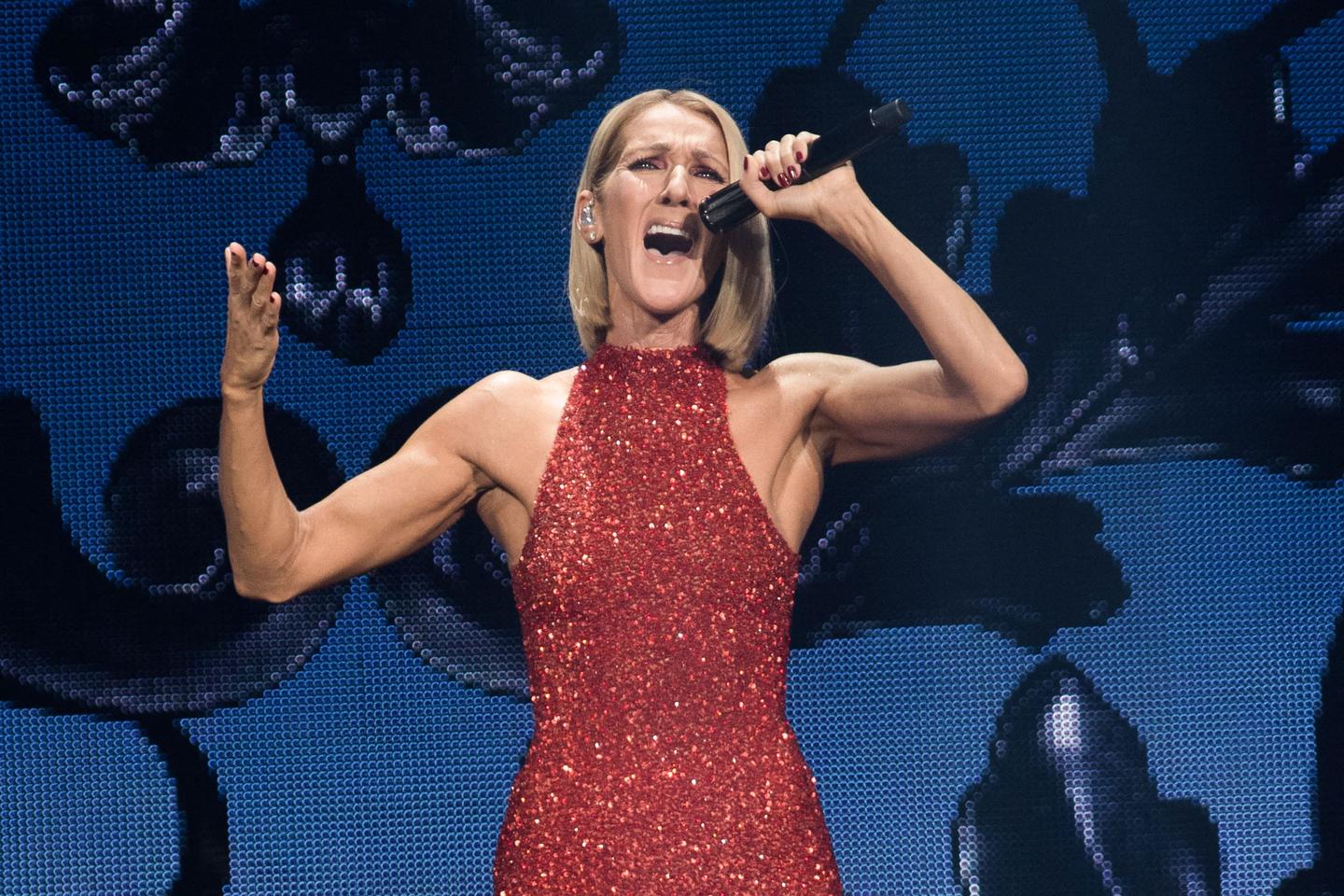
Dion has performed publicly only once in the past six years—the opening ceremony of the 2024 Paris Olympics—but she has been working intensely to regain her strength.
She now does 90-minute Pilates sessions three times a week and takes ballet classes twice a week. She is also undergoing physical and vocal rehabilitation as she prepares for a five-week residency in Paris beginning in September 2026.
Demand has already been strong enough that additional performances in May 2027 are being planned.
For Dion, returning to the stage is much more than a career move. Performing has been part of her identity since she was 12.
“I’m honest, and it’s not always pretty. Sometimes it’s happy things, sometimes it’s sad, but it’s called life.”
“We came for the tree”
One of the most revealing moments in the interview is Dion’s story about hiding from the public during her illness.
She compared herself to a tree that could no longer produce the “apples” her fans had come to expect. She imagined herself disappearing among the leaves, but when autumn came and the leaves fell, she realized she could no longer hide.
Then came the thought that changed her perspective:
“We did not come for the apples; we came for the tree.”
For Dion, the message was simple: her value to her fans isn’t limited to what she can produce on stage.
An artist who has never been afraid to be herself
Dion also reflected on why audiences have remained so devoted to her despite decades of criticism.
Her music has often been dismissed as overly sentimental or “corny,” but that emotional openness has also become her greatest strength. She describes herself as an “open book” and says that hiding her emotions would mean hiding who she really is.
During the interview, that personality is on full display. She jokes constantly, sings spontaneously, talks passionately about everything from gymnastics to trees, and even climbs partway up a studio structure while describing herself as a “monkey.”
That unfiltered quality is part of what has made Dion more than just a technically extraordinary singer. She has become a performer people connect with emotionally.
From a small-town Quebec family to global superstardom
Dion grew up as the youngest of 14 children in a modest French-speaking family near Montreal. Music was a family affair, and she began performing as a child at her family’s piano bar.
At 12, she met producer René Angélil, who became her manager. She released her first single at 13 and eventually represented Switzerland at Eurovision, winning in 1988.
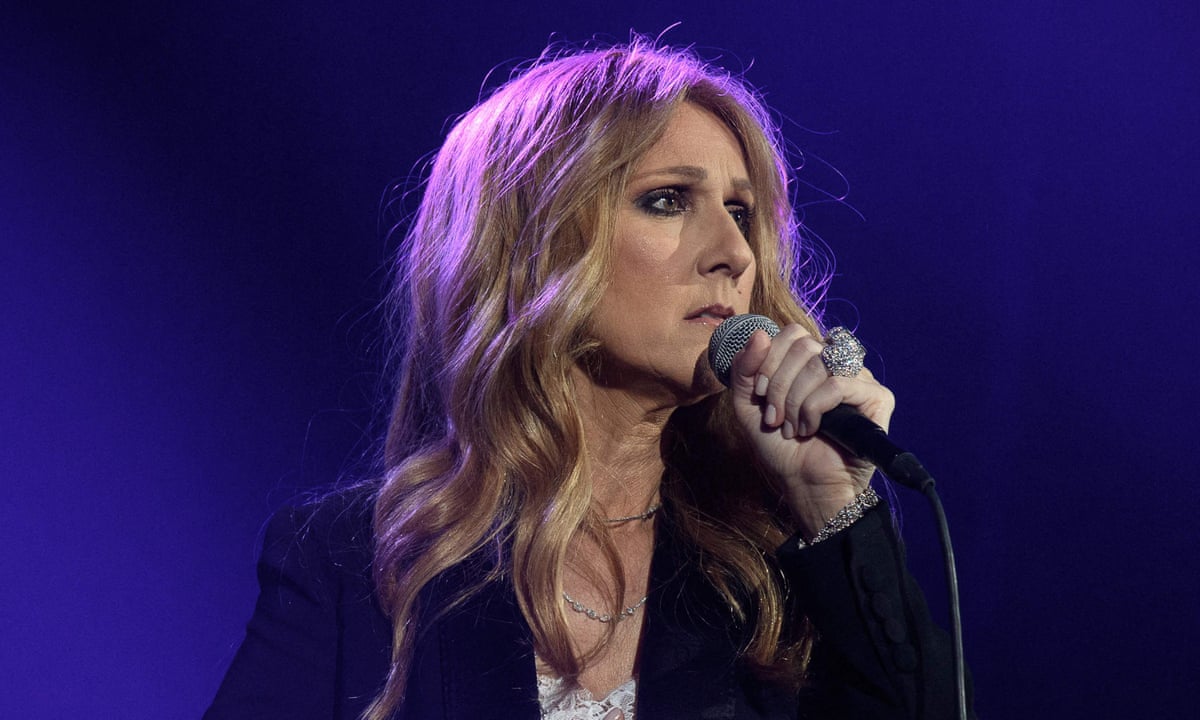
Her subsequent English-language career transformed her into one of the world’s biggest recording artists, with countless hits, Grammy Awards and record-breaking tours.
Her influence can still be seen among younger artists. Adele has openly admired her, while Sia credits Dion with inspiring her to become a singer.
Dion also transformed the Las Vegas residency model. Her A New Day… residency from 2003 to 2007 helped turn Vegas residencies into major career-defining events rather than something associated primarily with aging performers.
Turning pain into strength
Dion has experienced extraordinary highs but also devastating losses. Her husband, René Angélil, died in 2016, and one of her brothers died only two days later.
Yet performing has repeatedly been the way she processes grief.
Now, after years of illness and isolation, she is finally allowing herself to return to public life.
Her attitude is perhaps best summed up by something she told Harper’s Bazaar:
“Instead of questioning life, can you live life? So I’m living my life, girl. I’m living the life.”
The central message of the interview is not simply that Céline Dion is making a comeback. It is that she has stopped waiting to become the person she was before illness. She is learning to live—and perform—as the person she is now.