Dolly Parton’s Heartfelt Return: The Quiet Truth Behind a Season of Grief, Exhaustion, and Courage
by Admin ·
Dolly Parton’s Heartfelt Return: The Quiet Truth Behind a Season of Grief, Exhaustion, and Courage
There are few public figures in American life who feel as deeply beloved as Dolly Parton.
For decades, she has been more than a star. She has been a voice of comfort, a symbol of resilience, a source of humor, generosity, and grace. People have not simply listened to Dolly’s music; they have lived with it. Her songs have accompanied long marriages, family kitchens, lonely evenings, Sunday drives, and seasons of both joy and sorrow. That is why, when she stepped back from the spotlight and postponed appearances, the concern was immediate and deeply personal for millions of fans.
People were not only wondering where Dolly had gone.
They were wondering if she was all right.
Now, in a deeply moving update, Dolly Parton has shared the truth with the honesty and dignity that have long made her one of the most trusted figures in American culture. And what she revealed was not just a health update. It was something more human than that. It was the quiet testimony of a woman who had been carrying profound grief, physical exhaustion, and emotional depletion after one of the hardest losses of her life.
According to the account shared in her recent public remarks, Dolly explained that she had been taking care of some health issues, but that the deeper struggle was tied to heartbreak. After the loss of her husband, Carl Dean, the man with whom she shared nearly six decades of marriage, she found herself worn down in every sense of the word. Not only physically, but spiritually and emotionally as well.
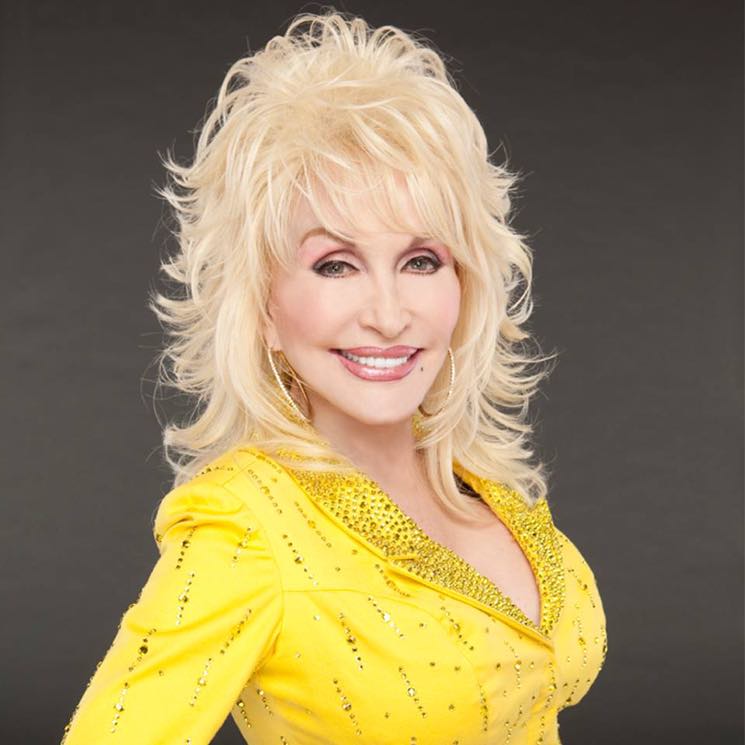
That admission touched people because it was so simple.
And because it was so true.
Older readers, especially, understand this kind of weariness. There is a fatigue that comes not from one bad day or one difficult week, but from sorrow that settles into the body over time. It is the kind of exhaustion that grief brings when life still expects you to keep going. Responsibilities remain. Smiles are still offered. The world continues moving. But inside, something is struggling to keep pace.
Dolly’s words spoke to that reality with unusual clarity.
She did not dramatize her condition. She did not invite pity. She did not make herself the center of a spectacle. Instead, she said something far more powerful: she had reached a point where she needed to build herself back up spiritually, emotionally, and physically.
That phrase alone says so much.
It tells us that healing is not always immediate.
It tells us that sorrow can be heavier than the world sees.
And it reminds us that even the brightest, strongest spirits sometimes need time away from the stage in order to recover what life has quietly drained from them.
For many fans, the fear had been growing for months. There had been postponed performances, missed appearances, and an unusual public silence from someone whose warmth and visibility have always felt so reassuring. Rumors naturally filled the silence, and concern deepened when those close to her expressed worry and prayerful support. For a public that has long viewed Dolly not just as an entertainer but as a treasured part of American life, those moments felt especially unsettling.
But what makes this chapter so moving is not simply that Dolly had to step away.
It is how she has now chosen to speak about it.
She has done so with honesty, humility, and a kind of emotional maturity that resonates strongly with older audiences. In a culture that often rewards performance over truth, Dolly gave people something much rarer than a polished reassurance. She gave them reality. She acknowledged the toll of loss. She named the exhaustion. And in doing so, she reminded countless people that they are not weak for feeling worn down after grief.
That may be one of the greatest gifts a public figure can offer.
To tell the truth in a way that helps others feel less alone.
There is also something particularly poignant about the context of her return. When Dolly stepped forward again, smiling and speaking with gratitude, she did not appear as someone untouched by pain. She appeared as someone who had passed through it and was slowly reclaiming her strength. That difference matters. For people who have buried spouses, cared for loved ones, faced illness, or simply endured the quiet attrition of aging and sorrow, Dolly’s update was more than news.
It was recognition.
It was the voice of someone saying: yes, life can wear you down. Yes, grief can affect the body as much as the heart. Yes, sometimes you need to stop and rebuild.
And yet she also offered something else: hope.
Because despite the loss, despite the exhaustion, and despite the season of silence, Dolly stood before her audience with the same unmistakable spirit that has carried her through so many decades. She remained positive. She remained gracious. She remained Dolly.
That is no small thing.
For all her fame, what people have always loved most about Dolly Parton is not merely her talent. It is her humanity. She has always seemed to understand suffering without surrendering to bitterness. She has always had a way of meeting pain with humor, heartbreak with faith, and difficulty with an almost defiant kindness. In this latest chapter, that same quality shines through once again.

Her willingness to rest did not signal defeat.
It signaled wisdom.
Her need to recover did not diminish her strength.
It revealed it.
And perhaps that is why this moment has touched so many hearts across the country. Older readers know that true strength is rarely loud. It does not always look like endless energy or constant performance. Sometimes strength looks like knowing when you are depleted. Sometimes it looks like stepping back long enough to heal. Sometimes it means admitting that the soul, not just the body, needs restoration.
Dolly Parton’s heartfelt update reminds us of all of this.
It reminds us that grief is real.
That recovery takes time.
That even icons grow tired.
And that beginning again is not a sign of frailty, but of courage.
In the end, her return is moving not because she pretended everything was fine, but because she allowed people to see that life had hurt her—and that she was still finding her way forward with grace.
That is why this story matters.
Not because it reveals a secret.
But because it reveals a truth many people know intimately:
sometimes the bravest thing a person can do is pause, heal, and slowly become whole again.
And in that truth, Dolly Parton once again does what she has always done best.
She makes people feel understood.